














POTS During Pregnancy: Causes and Remedies
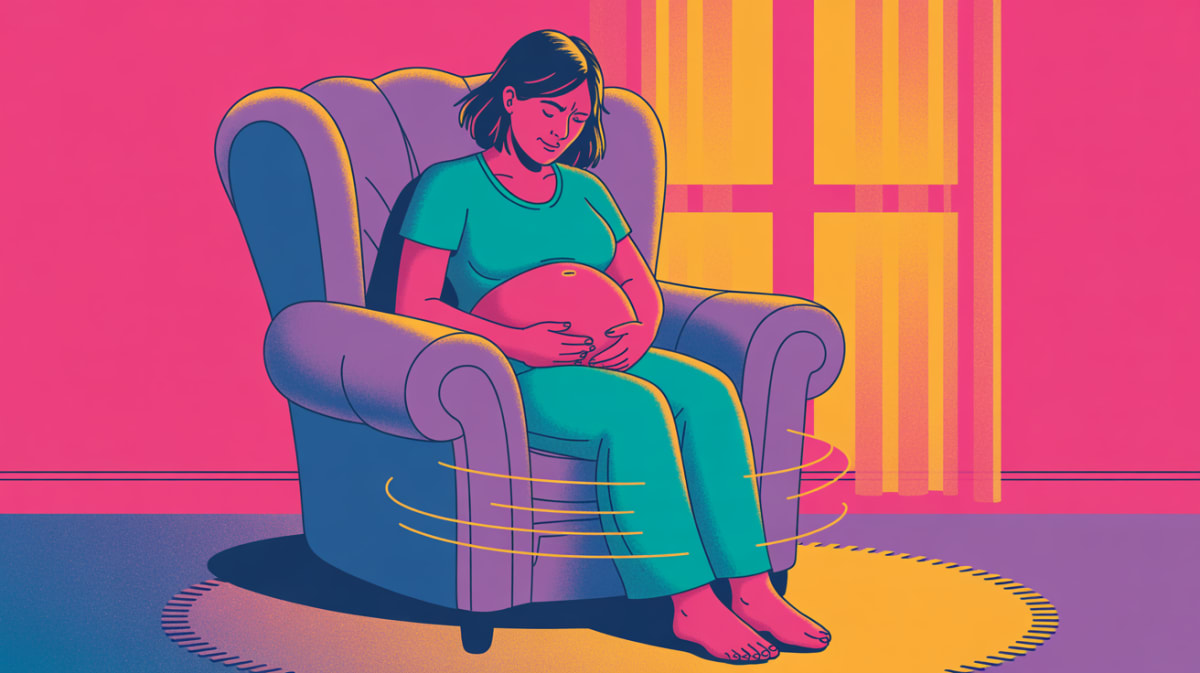
Feeling lightheaded or experiencing rapid heartbeat is not unusual during pregnancy and is sometimes linked to POTS. This condition may be triggered by hormonal shifts, increased blood volume, or physical changes as your body adapts. Most cases are mild, but consult your doctor if symptoms become severe or persistent.
Is it normal to have POTS while pregnant?
It’s not unusual to experience POTS during pregnancy, especially in the second trimester as your body changes. Mild dizziness or rapid heartbeat can be common, but if symptoms become severe or don’t improve with rest, it’s important to reach out to your healthcare provider.
POTS during different trimesters in pregnancy
| Trimester | What to Expect | Possible Causes |
|---|---|---|
| 1st Trimester | You may notice more dizziness or rapid heartbeat as your body adjusts to pregnancy changes. | Hormonal shifts, Blood volume changes, Increased stress, New supplements |
| 2nd Trimester | Symptoms may stabilize or slightly worsen, with occasional fatigue and lightheadedness. | Growing uterus pressure, Increased activity, Dehydration, Iron supplementation |
| 3rd Trimester | You might feel increased symptoms, especially with physical strain or standing for long periods. | Higher blood volume, Physical strain, Sleep disruptions, Anxiety about delivery |
What causes POTS during pregnancy?
There are several reasons why you might experience POTS while pregnant. Some are directly related to pregnancy, while others can happen anytime – pregnant or not.

Common pregnancy-related causes:
- Blood volume expansion – Increases cardiac output demands
- Hormonal fluctuations – Alters autonomic nervous system
- Vascular changes – Increased venous pooling in limbs
- Physical deconditioning – Reduced exercise tolerance in pregnancy
Other possible causes:
- Anemia – Lower oxygen delivery to tissues
- Viral illness – Can trigger autonomic dysfunction
- Medications – Some drugs worsen symptoms
- Genetic predisposition – Family history of dysautonomia
Remedies for POTS during pregnancy
There are some things you can do to feel better faster and stay safe:
Natural remedies at home
- Increase fluid intake – Drink water and electrolyte-rich fluids frequently
- Boost salt intake – Helps expand blood volume; use as advised
- Wear compression stockings – Reduces blood pooling in legs
- Change positions slowly – Prevents sudden drops in blood pressure
- Elevate head while sleeping – Supports circulation during rest
Medication (talk to your doctor first)
- Consult doctor before medications – Some are unsafe during pregnancy
- Avoid beta-blockers unless prescribed – Not recommended without specialist guidance
- Ask about safe options – Midodrine or fludrocortisone may be considered
Important: Always talk to your doctor before taking any medicine during pregnancy.
Take care of you (and baby, too)
Pregnancy can come with some unexpected symptoms – but you don’t have to manage them alone.
From soothing teas to tummy-friendly snacks, Bump Boxes delivers safe, mom-approved products tailored to your trimester. Each monthly box is curated to help you feel better, stay nourished, and enjoy the journey.
💝 Explore Bump Boxes and treat yourself to a healthier, more comfortable pregnancy.
FAQs
1. When should you be concerned about POTS?
You should be concerned about POTS during pregnancy if you experience frequent fainting, severe dizziness, rapid heartbeat, chest pain, or shortness of breath. These symptoms may indicate a need for medical evaluation to rule out complications and ensure both maternal and fetal health. Always consult your doctor if symptoms worsen.
2. Is POTS harmful to the baby?
POTS itself is typically not harmful to the baby, but severe symptoms may affect your overall well-being. Proper management is important to maintain healthy blood flow and oxygen delivery. Regular prenatal care and communication with your healthcare provider help minimize any potential risks to your baby during pregnancy.
3. What can I take for POTS during pregnancy?
For POTS during pregnancy, treatment focuses on non-medication options like increased salt and fluid intake, compression stockings, and gentle exercise. Medications are considered carefully and only under medical supervision. Always consult your doctor before taking any medication or supplements to ensure safety for you and your baby.
4. When is POTS worse in pregnancy?
POTS symptoms are often worse during the first and second trimesters, as blood volume and hormonal changes peak. Standing for long periods, dehydration, or overheating can also make symptoms more severe. Monitoring symptom patterns and staying hydrated can help manage POTS throughout pregnancy.
5. How long will I have POTS during pregnancy?
POTS symptoms may persist throughout pregnancy but often improve in the third trimester as your body adjusts to increased blood volume. For many women, symptoms decrease or resolve after delivery. However, the duration varies, so ongoing medical support and symptom tracking are important for effective management.
6. What foods help with POTS during pregnancy?
Foods rich in salt, potassium, and fluids can help manage POTS during pregnancy. Include salty snacks, electrolyte-rich fruits like bananas, and hydrating foods such as watermelon. Eating small, frequent meals with complex carbohydrates and lean protein can also help maintain stable blood pressure and reduce POTS symptoms.
Medical Disclaimer: This website contains general information about conception, pregnancy, pregnancy products and parenting. The information is not complete or comprehensive. You should not rely on the information on this website as an alternative to medical advice from your doctor or healthcare provider. Nothing contained on this web site should be construed nor is intended to be used for medical diagnosis or treatment. It should not be used in place of the advice of your physician or other qualified healthcare provider. Should you have any healthcare related questions, please call or see your physician or other qualified healthcare provider promptly. Read More- (Link to full disclaimer)