













Fibroid Degeneration During Pregnancy: Causes and Remedies
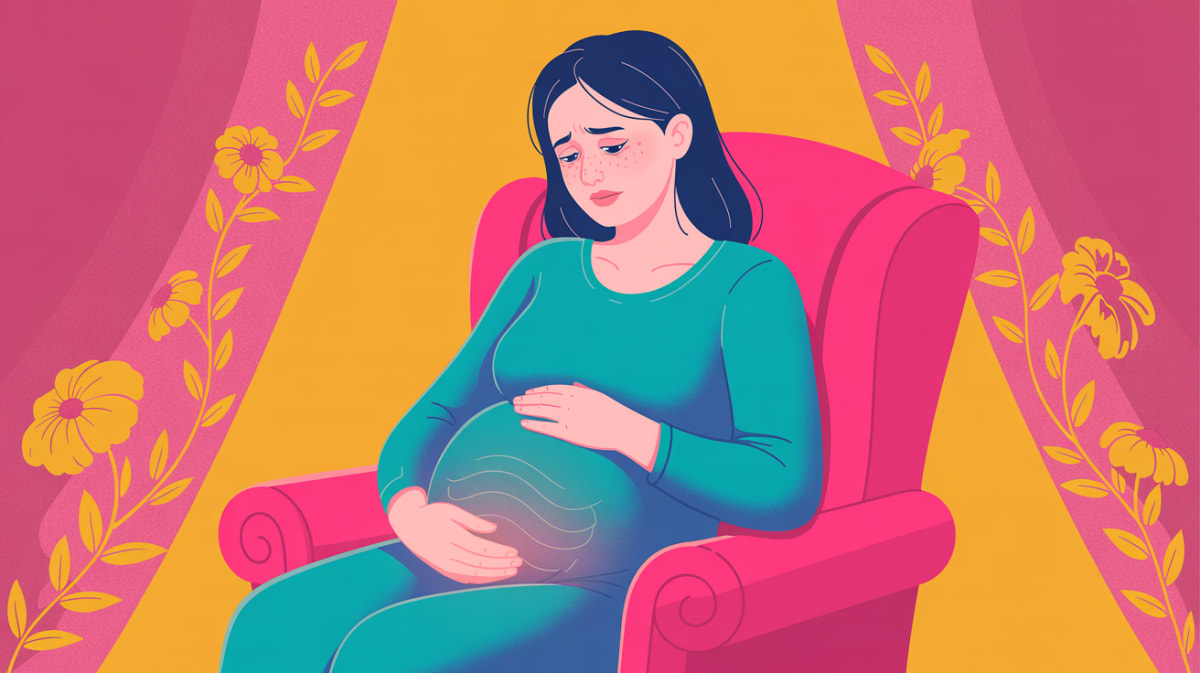
Fibroid degeneration during pregnancy is a fairly common experience and is usually not serious. While it can cause discomfort or pain, it often results from hormonal changes, increased blood flow, or the physical stretching of the uterus.
Most cases are manageable, but if your symptoms are severe, persistent, or getting worse, consult your doctor.
Is it normal to have Fibroid Degeneration while pregnant?
Fibroid degeneration can happen during pregnancy and is usually nothing to worry about. It’s more common in the second and third trimesters as your body changes. Mild pain or discomfort is typical, but if you have severe pain or fever, it’s best to contact your doctor.
Fibroid Degeneration during different trimesters in pregnancy
| Trimester | What to Expect | Possible Causes |
|---|---|---|
| 1st Trimester | You might feel sudden lower abdominal pain or discomfort as fibroids begin to break down. | Rapid hormonal changes, Increased blood flow, Early fibroid growth, Stress |
| 2nd Trimester | Sharp or localized pain can occur, sometimes with low fever, as fibroid degeneration peaks this trimester. | Uterine stretching, Decreased blood supply to fibroids, Physical activity, Iron supplements |
| 3rd Trimester | Pain usually lessens, but ongoing discomfort or contractions may appear if fibroid degeneration persists. | Uterine pressure from baby, Reduced pelvic space, Dehydration, Emotional stress |
What causes Fibroid Degeneration during pregnancy?
There are several reasons why you might experience Fibroid Degeneration while pregnant. Some are directly related to pregnancy, while others can happen anytime – pregnant or not.
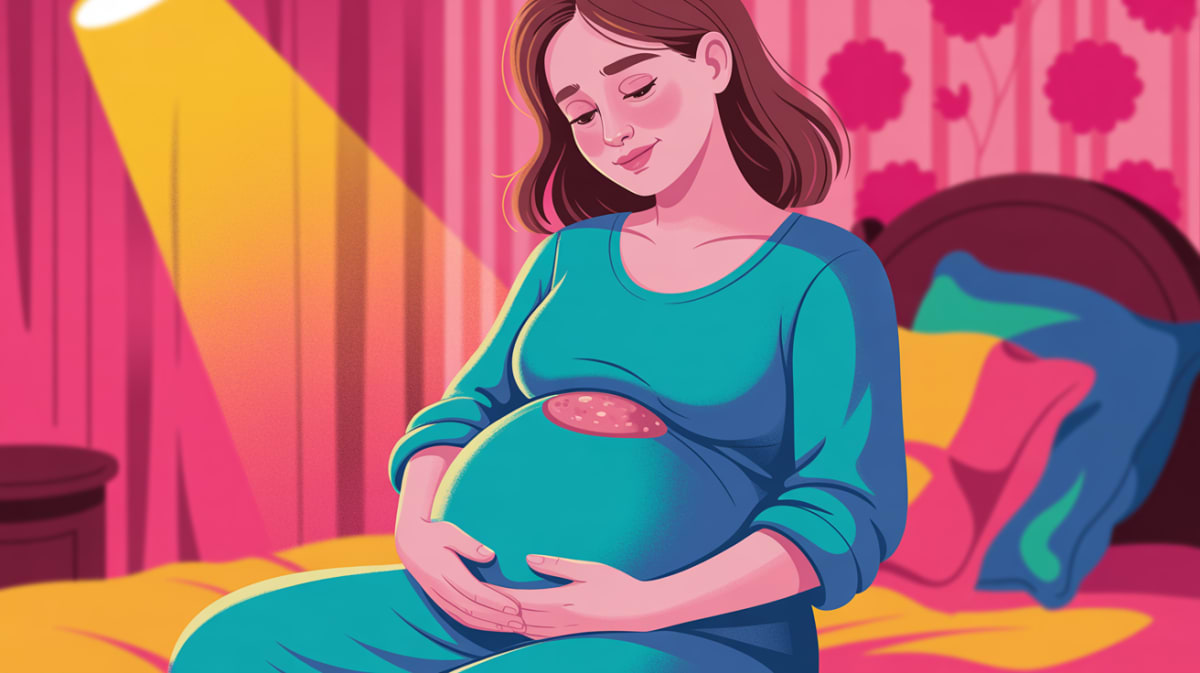
Common pregnancy-related causes:
- Rapid uterine growth – Outgrows blood supply quickly
- Hormonal fluctuations – Estrogen/progesterone affect blood flow
- Increased vascular demand – Pregnancy boosts fibroid size
- Mechanical compression – Enlarged uterus compresses vessels
Other possible causes:
- Vascular occlusion – Thrombosis within fibroid vessels
- Infection – Secondary infection of necrotic tissue
- Trauma or torsion – Fibroid twists on pedicle
- Pre-existing vascular disease – Impaired blood supply worsens
Remedies for Fibroid Degeneration during pregnancy
There are some things you can do to feel better faster and stay safe:
Natural remedies at home
- Stay hydrated – Drink water to reduce cramping and discomfort
- Apply warm compress – Gentle heat on abdomen eases pain
- Rest frequently – Lying on left side relieves pressure
- Eat small, frequent meals – Prevents nausea from degeneration pain
- Practice deep breathing – Reduces anxiety and muscle tension
Medication (talk to your doctor first)
- Take acetaminophen if approved – Safe option for pain relief
- Avoid NSAIDs like ibuprofen – Not recommended during pregnancy
- Consult your doctor – Discuss severe pain or medication needs
Important: Always talk to your doctor before taking any medicine during pregnancy.
Take care of you (and baby, too)
Pregnancy can come with some unexpected symptoms – but you don’t have to manage them alone.
From soothing teas to tummy-friendly snacks, Bump Boxes delivers safe, mom-approved products tailored to your trimester. Each monthly box is curated to help you feel better, stay nourished, and enjoy the journey.
💝 Explore Bump Boxes and treat yourself to a healthier, more comfortable pregnancy.
FAQs
1. When should you be concerned about fibroid degeneration?
You should be concerned about fibroid degeneration during pregnancy if you experience severe pain, fever, heavy bleeding, or signs of infection. These symptoms could indicate complications that require immediate medical attention. Always consult your healthcare provider if you have persistent or worsening symptoms related to fibroid degeneration.
2. Is fibroid degeneration harmful to the baby?
Fibroid degeneration during pregnancy is usually not harmful to the baby. The process mainly affects the mother, causing pain and discomfort. However, it is important to monitor symptoms and consult a healthcare provider to ensure both maternal and fetal well-being throughout the pregnancy.
3. What can I take for fibroid degeneration during pregnancy?
For fibroid degeneration during pregnancy, acetaminophen (paracetamol) is generally considered safe for pain relief. Always consult your doctor before taking any medication. Your healthcare provider may recommend rest, hydration, and other supportive measures to manage symptoms and ensure safety for both mother and baby.
4. When is fibroid degeneration worse in pregnancy?
Fibroid degeneration is more likely to occur and be worse during the second and early third trimesters of pregnancy. This is due to rapid uterine and fibroid growth, which can outpace their blood supply. Increased pain and discomfort are common during these stages.
5. How long will I have fibroid degeneration during pregnancy?
Fibroid degeneration during pregnancy typically lasts from a few days to two weeks. The severe pain and symptoms usually improve as the body adapts and the fibroid shrinks. If symptoms persist or worsen beyond this period, consult your healthcare provider for further evaluation and management.
6. What foods help with fibroid degeneration during pregnancy?
While no specific foods cure fibroid degeneration, a balanced diet rich in fruits, vegetables, whole grains, and lean proteins supports overall health during pregnancy. Staying hydrated and avoiding processed foods may help reduce inflammation and promote healing. Always consult your doctor before making significant dietary changes during pregnancy.
Medical Disclaimer: This website contains general information about conception, pregnancy, pregnancy products and parenting. The information is not complete or comprehensive. You should not rely on the information on this website as an alternative to medical advice from your doctor or healthcare provider. Nothing contained on this web site should be construed nor is intended to be used for medical diagnosis or treatment. It should not be used in place of the advice of your physician or other qualified healthcare provider. Should you have any healthcare related questions, please call or see your physician or other qualified healthcare provider promptly. Read More- (Link to full disclaimer)