













Anemia During Pregnancy: Causes and Remedies
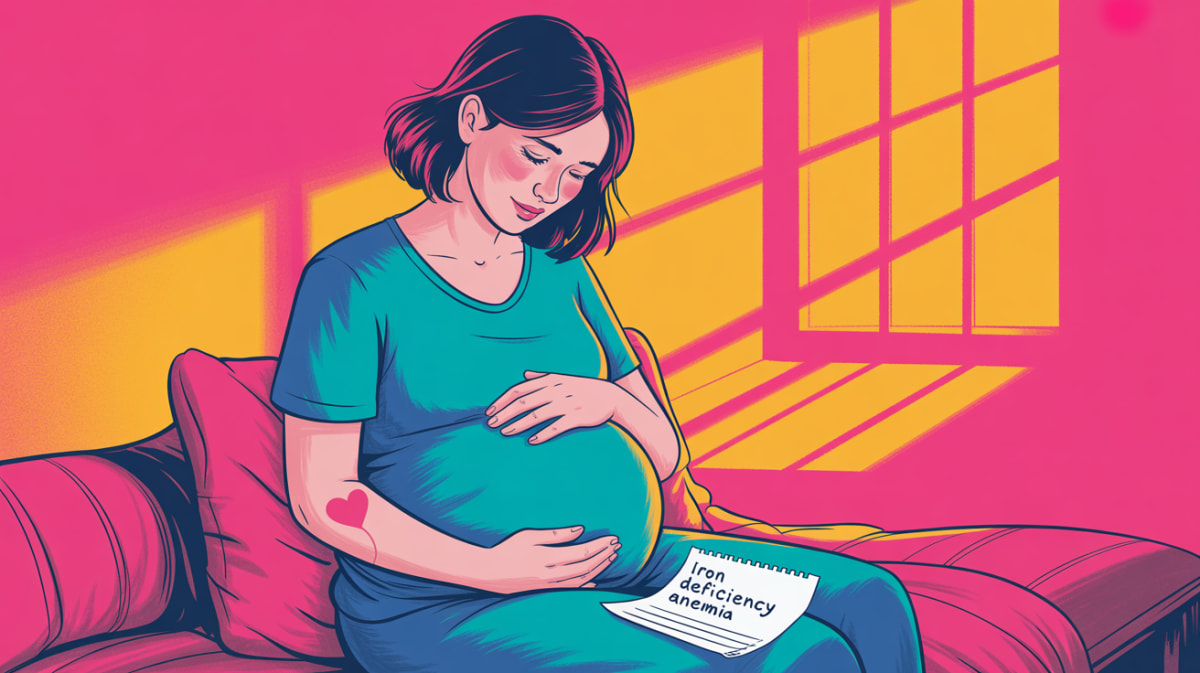
Anemia is a common experience during pregnancy and is usually not a cause for alarm. It can result from hormonal changes, increased blood volume, or shifts in digestion that affect how your body absorbs nutrients.
While often manageable, consult your doctor if symptoms feel severe, persist, or start to worsen.
Is it normal to have Anemia while pregnant?
Anemia is quite common during pregnancy, especially in the second and third trimesters as your body works harder to support your baby. Mild symptoms like tiredness are normal, but if you feel very weak, dizzy, or short of breath, it’s best to reach out to your doctor.
Anemia during different trimesters in pregnancy
| Trimester | What to Expect | Possible Causes |
|---|---|---|
| 1st Trimester | You may feel a bit more tired or dizzy as your body adjusts to early pregnancy changes. | Hormonal changes, Low iron intake, Morning sickness, Poor appetite |
| 2nd Trimester | Fatigue and shortness of breath can increase as your blood volume rapidly expands to support your baby. | Increased blood volume, Inadequate iron absorption, Poor diet, Rapid fetal growth |
| 3rd Trimester | Tiredness may worsen, and you might notice paleness or heart palpitations as iron needs peak. | Higher iron demand, Blood loss at delivery prep, Poor prenatal nutrition, Frequent pregnancies |
What causes Anemia during pregnancy?
There are several reasons why you might experience Anemia while pregnant. Some are directly related to pregnancy, while others can happen anytime – pregnant or not.
Common pregnancy-related causes:
- Iron deficiency – Increased maternal and fetal demand
- Folate deficiency – Higher requirement for fetal growth
- Vitamin B12 deficiency – Poor intake or absorption issues
- Hemodilution – Plasma volume increases during pregnancy
Other possible causes:
- Blood loss – Bleeding from hemorrhoids or trauma
- Chronic infections – Malaria, HIV, or tuberculosis effects
- Hemoglobinopathies – Sickle cell or thalassemia disorders
- Medications – Certain drugs impair blood formation
Remedies for Anemia during pregnancy
There are some things you can do to feel better faster and stay safe:
Natural remedies at home
- Eat iron-rich foods – Red meat, beans, spinach, fortified cereals
- Add vitamin C – Citrus fruits help iron absorption
- Cook in cast iron – Increases iron content of foods
- Include folate sources – Leafy greens, lentils, avocados
- Avoid tea and coffee with meals – They reduce iron absorption
Medication (talk to your doctor first)
- Take prenatal iron supplements – Only as prescribed by doctor
- Avoid self-medicating – Some iron pills may not be safe
- Consult doctor for injections – Needed for severe or unresponsive anemia
Important: Always talk to your doctor before taking any medicine during pregnancy.
Take care of you (and baby, too)
Pregnancy can come with some unexpected symptoms – but you don’t have to manage them alone.
From soothing teas to tummy-friendly snacks, Bump Boxes delivers safe, mom-approved products tailored to your trimester. Each monthly box is curated to help you feel better, stay nourished, and enjoy the journey.
💝 Explore Bump Boxes and treat yourself to a healthier, more comfortable pregnancy.
FAQs
1. When should you be concerned about anemia?
You should be concerned about anemia during pregnancy if you experience symptoms like extreme fatigue, weakness, pale skin, rapid heartbeat, or shortness of breath. Severe or untreated anemia can impact both you and your baby’s health, so consult your healthcare provider if you notice these signs or after abnormal blood test results.
2. Is anemia harmful to the baby?
Yes, untreated anemia during pregnancy can be harmful to the baby. It increases the risk of preterm birth, low birth weight, and developmental delays. Severe anemia can also affect your baby’s oxygen supply. Proper diagnosis and treatment can help ensure a healthier pregnancy for both mother and child.
3. What can I take for anemia during pregnancy?
For anemia during pregnancy, your doctor may recommend iron supplements, prenatal vitamins with folic acid and vitamin B12, and dietary changes to boost iron intake. Never self-medicate—always consult your healthcare provider to determine the right dosage and treatment plan tailored to your individual needs.
4. When is anemia worse in pregnancy?
Anemia is most common and often worse during the second and third trimesters of pregnancy. This is because your blood volume increases significantly to support your baby’s growth, increasing your body’s need for iron and other nutrients. Regular prenatal checkups help monitor and manage anemia throughout pregnancy.
5. How long will I have anemia during pregnancy?
Anemia during pregnancy can last as long as your iron or nutrient levels remain low. With proper treatment, including supplements and dietary adjustments, anemia often improves within a few weeks. Regular monitoring by your healthcare provider ensures that your levels normalize before delivery and lowers risks for you and your baby.
6. What foods help with anemia during pregnancy?
Foods rich in iron and vitamin C are highly effective for anemia during pregnancy. Include lean red meat, poultry, fish, leafy green vegetables, beans, lentils, fortified cereals, and citrus fruits in your diet. Vitamin C-rich foods like oranges and strawberries help increase iron absorption, supporting healthy hemoglobin levels.
Medical Disclaimer: This website contains general information about conception, pregnancy, pregnancy products and parenting. The information is not complete or comprehensive. You should not rely on the information on this website as an alternative to medical advice from your doctor or healthcare provider. Nothing contained on this web site should be construed nor is intended to be used for medical diagnosis or treatment. It should not be used in place of the advice of your physician or other qualified healthcare provider. Should you have any healthcare related questions, please call or see your physician or other qualified healthcare provider promptly. Read More- (Link to full disclaimer)