














SVT During Pregnancy: Causes and Remedies
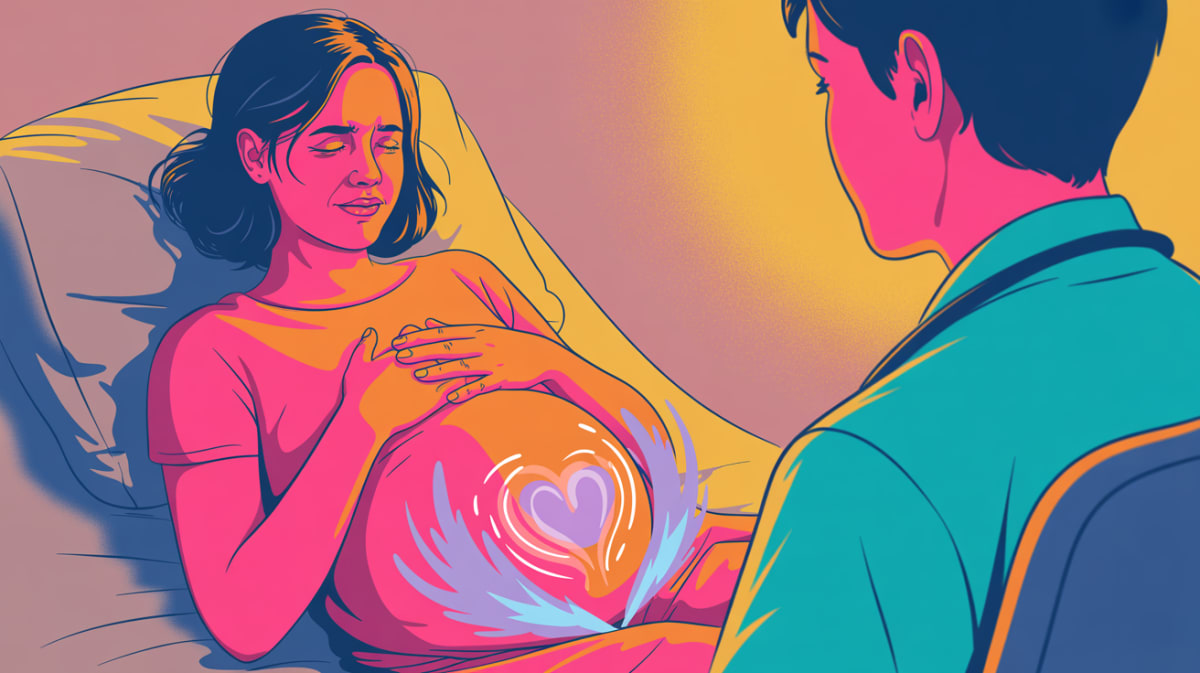
SVT during pregnancy is a fairly common experience and is usually not dangerous. It can make your heart race and feel uncomfortable, but most cases are harmless.
Hormonal changes, increased blood volume, and physical stress on your body can all contribute. If your symptoms are severe or keep getting worse, talk to your doctor.
Is it normal to have SVT while pregnant?
SVT can happen during pregnancy, and it’s usually nothing to worry about. It often shows up more in the second or third trimester as your body changes. If your symptoms are mild and occasional, that’s common—but if they become severe or frequent, reach out to your doctor.
SVT during different trimesters in pregnancy
| Trimester | What to Expect | Possible Causes |
|---|---|---|
| 1st Trimester | SVT may start or worsen, with occasional palpitations or rapid heartbeat as your body adapts early on. | Hormonal fluctuations, Increased blood volume, Stress, New supplements |
| 2nd Trimester | You might notice more frequent or stronger SVT episodes as blood volume and heart rate increase. | Growing uterus pressure, Increased blood flow, Fatigue, Dietary changes |
| 3rd Trimester | SVT can become more noticeable, especially with physical strain or anxiety as delivery approaches. | Physical exertion, Anxiety about birth, Fluid shifts, Lack of sleep |
What causes SVT during pregnancy?
There are several reasons why you might experience SVT while pregnant. Some are directly related to pregnancy, while others can happen anytime – pregnant or not.
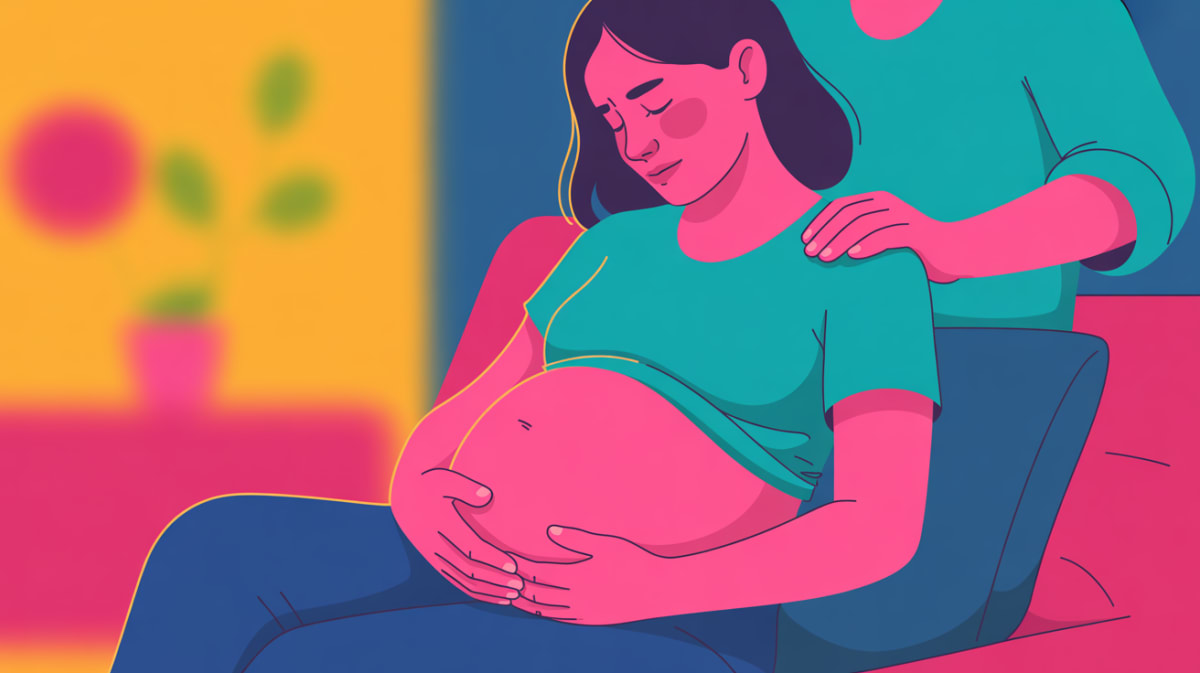
Common pregnancy-related causes:
- Increased blood volume – Raises cardiac workload and excitability
- Hormonal fluctuations – Progesterone increases heart sensitivity
- Autonomic changes – Alters vagal tone in pregnancy
- Anemia – Reduces oxygen, triggers compensatory tachycardia
Other possible causes:
- Underlying heart disease – Structural abnormalities promote arrhythmias
- Electrolyte imbalances – Low potassium or magnesium levels
- Medications – Beta-agonists, decongestants, or stimulants
- Thyroid dysfunction – Hyperthyroidism increases heart rate
Remedies for SVT during pregnancy
There are some things you can do to feel better faster and stay safe:
Natural remedies at home
- Vagal maneuvers – Try bearing down or cold face splash
- Rest and lie on side – Reduces heart strain and calms rhythm
- Stay hydrated – Prevents dehydration-triggered episodes
- Avoid caffeine – Reduces risk of heart rhythm disturbances
- Practice relaxation techniques – Deep breathing, meditation, gentle yoga
Medication (talk to your doctor first)
- Ask about beta-blockers – Some are considered safe in pregnancy
- Avoid certain antiarrhythmics – Many are not pregnancy-safe
- Consult your obstetrician – Always review medication options first
Important: Always talk to your doctor before taking any medicine during pregnancy.
Take care of you (and baby, too)
Pregnancy can come with some unexpected symptoms – but you don’t have to manage them alone.
From soothing teas to tummy-friendly snacks, Bump Boxes delivers safe, mom-approved products tailored to your trimester. Each monthly box is curated to help you feel better, stay nourished, and enjoy the journey.
💝 Explore Bump Boxes and treat yourself to a healthier, more comfortable pregnancy.
FAQs
1. When should you be concerned about SVT?
You should be concerned about SVT during pregnancy if you experience frequent episodes, severe palpitations, chest pain, shortness of breath, dizziness, or fainting. Seek immediate medical attention if symptoms are severe or persistent, as timely evaluation ensures the safety of both mother and baby during pregnancy.
2. Is SVT harmful to the baby?
SVT is rarely harmful to the baby when managed properly during pregnancy. Most episodes are benign, but if the mother’s symptoms are severe or left untreated, it may affect blood flow. Regular prenatal checkups and prompt treatment help protect both maternal and fetal health.
3. What can I take for SVT during pregnancy?
Treatment for SVT during pregnancy is individualized. Non-pharmacological approaches like vagal maneuvers are tried first. If medication is needed, doctors may prescribe beta-blockers such as metoprolol, which are considered relatively safe. Always consult your healthcare provider before taking any medication for SVT while pregnant.
4. When is SVT worse in pregnancy?
SVT can be worse during the second and third trimesters of pregnancy due to increased blood volume, hormonal changes, and heightened stress on the heart. Some women notice more frequent or severe episodes as pregnancy progresses. Monitoring symptoms and regular checkups help manage SVT effectively during these stages.
5. How long will I have SVT during pregnancy?
SVT episodes during pregnancy can vary in duration and frequency. For many women, symptoms may improve or resolve after delivery. However, some may continue to experience SVT postpartum. Regular monitoring and treatment can help minimize episodes and ensure a safer pregnancy for both mother and baby.
6. What foods help with SVT during pregnancy?
Eating foods rich in potassium, magnesium, and calcium—such as bananas, leafy greens, avocados, and dairy—can help support heart health and reduce SVT symptoms in pregnancy. Staying hydrated and avoiding excessive caffeine or processed foods also supports heart rhythm stability. Always consult your doctor regarding dietary choices.
Medical Disclaimer: This website contains general information about conception, pregnancy, pregnancy products and parenting. The information is not complete or comprehensive. You should not rely on the information on this website as an alternative to medical advice from your doctor or healthcare provider. Nothing contained on this web site should be construed nor is intended to be used for medical diagnosis or treatment. It should not be used in place of the advice of your physician or other qualified healthcare provider. Should you have any healthcare related questions, please call or see your physician or other qualified healthcare provider promptly. Read More- (Link to full disclaimer)