














Piriformis Pain During Pregnancy: Causes and Remedies
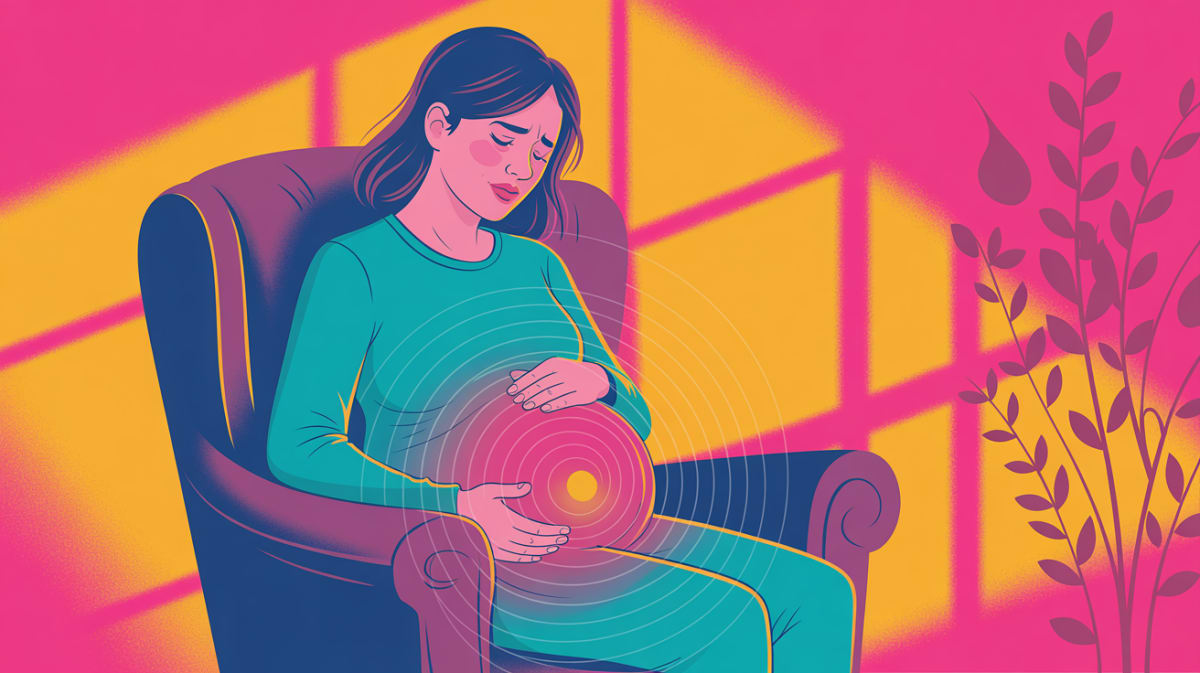
Piriformis pain is a common experience during pregnancy and is usually not a cause for worry. While it can be uncomfortable, it often results from hormonal changes, shifting posture, or added stress on the pelvic muscles.
If your pain is severe, lasts for several days, or gets worse, consult your doctor.
Is it normal to have Piriformis Pain while pregnant?
Piriformis pain can show up during pregnancy, and it’s usually nothing to worry about. It’s most common in the second and third trimesters as your body changes. Mild discomfort is normal, but if the pain is severe or doesn’t improve, it’s a good idea to check with your doctor.
Piriformis Pain during different trimesters in pregnancy
| Trimester | What to Expect | Possible Causes |
|---|---|---|
| 1st Trimester | You may notice mild hip or buttock discomfort as your body starts adjusting to early pregnancy changes. | Hormonal changes, Early postural shifts, Reduced physical activity, Stress |
| 2nd Trimester | Increased pelvic pain and tightness may occur as your bump grows and posture shifts. | Uterus growth, Weight gain, Altered walking pattern, Muscle fatigue |
| 3rd Trimester | Pain can intensify due to pressure from the baby, making sitting or walking uncomfortable. | Baby’s weight, Pelvic pressure, Limited mobility, Prolonged sitting |
What causes Piriformis Pain during pregnancy?
There are several reasons why you might experience Piriformis Pain while pregnant. Some are directly related to pregnancy, while others can happen anytime – pregnant or not.
Common pregnancy-related causes:
- Hormonal changes – Relaxes pelvic ligaments and muscles
- Weight gain – Increased pressure on piriformis muscle
- Postural changes – Alters pelvic and spinal alignment
- Growing uterus – Compresses nerves near piriformis
Other possible causes:
- Previous injury – Old trauma re-aggravated by pregnancy
- Prolonged sitting – Increases muscle tension and compression
- Overuse or strain – Excessive walking or physical activity
- Muscle imbalance – Weak core or gluteal muscles
Remedies for Piriformis Pain during pregnancy
There are some things you can do to feel better faster and stay safe:
Natural remedies at home
- Gentle stretching – Piriformis and hip stretches relieve tension
- Warm compress – Apply heat to affected buttock area
- Change positions frequently – Avoid sitting or standing too long
- Prenatal massage – Certified therapist can ease muscle pain
- Use a pregnancy pillow – Supports hips and spine during sleep
Medication (talk to your doctor first)
- Acetaminophen if approved – Doctor-approved pain relief option
- Avoid NSAIDs – Ibuprofen and aspirin not pregnancy-safe
- Ask your provider – Get advice on safe medications
Important: Always talk to your doctor before taking any medicine during pregnancy.
Take care of you (and baby, too)
Pregnancy can come with some unexpected symptoms – but you don’t have to manage them alone.
From soothing teas to tummy-friendly snacks, Bump Boxes delivers safe, mom-approved products tailored to your trimester. Each monthly box is curated to help you feel better, stay nourished, and enjoy the journey.
💝 Explore Bump Boxes and treat yourself to a healthier, more comfortable pregnancy.
FAQs
1. When should you be concerned about piriformis pain?
You should be concerned about piriformis pain during pregnancy if the pain is severe, persistent, causes numbness or weakness in your leg, or interferes with walking or daily activities. If you notice loss of bladder or bowel control, seek immediate medical attention, as these may be signs of a more serious condition.
2. Is piriformis pain harmful to the baby?
Piriformis pain itself is not harmful to your baby. It is caused by muscle irritation or nerve compression and does not affect the fetus directly. However, severe pain may impact your mobility and comfort. Always consult your healthcare provider for proper diagnosis and safe pain management during pregnancy.
3. What can I take for piriformis pain during pregnancy?
For piriformis pain during pregnancy, consult your doctor before taking any medication. Acetaminophen is generally considered safe for short-term use. Non-drug options like gentle stretching, prenatal yoga, warm compresses, and physical therapy are also recommended. Avoid self-medicating with NSAIDs or muscle relaxants unless prescribed by your healthcare provider.
4. When is piriformis pain worse in pregnancy?
Piriformis pain is often worse in the third trimester, as the growing uterus increases pressure on pelvic muscles and nerves. Prolonged sitting, standing, or certain movements can also aggravate the pain. Hormonal changes and postural shifts during pregnancy may further contribute to increased piriformis discomfort at different times.
5. How long will I have piriformis pain during pregnancy?
Piriformis pain during pregnancy can last from a few days to several weeks, depending on its cause and your body’s response to treatment. In many cases, the pain improves with stretching, rest, and proper posture. Typically, symptoms resolve after childbirth as hormonal levels normalize and pressure on the muscle decreases.
6. What foods help with piriformis pain during pregnancy?
Foods rich in anti-inflammatory properties, such as leafy greens, berries, fatty fish, nuts, and seeds, may help reduce piriformis pain during pregnancy. Staying hydrated and choosing foods high in magnesium and omega-3 fatty acids can also support muscle health and decrease inflammation. Always follow your doctor’s dietary recommendations.
Medical Disclaimer: This website contains general information about conception, pregnancy, pregnancy products and parenting. The information is not complete or comprehensive. You should not rely on the information on this website as an alternative to medical advice from your doctor or healthcare provider. Nothing contained on this web site should be construed nor is intended to be used for medical diagnosis or treatment. It should not be used in place of the advice of your physician or other qualified healthcare provider. Should you have any healthcare related questions, please call or see your physician or other qualified healthcare provider promptly. Read More- (Link to full disclaimer)