










Nausea During Pregnancy: Causes and Remedies
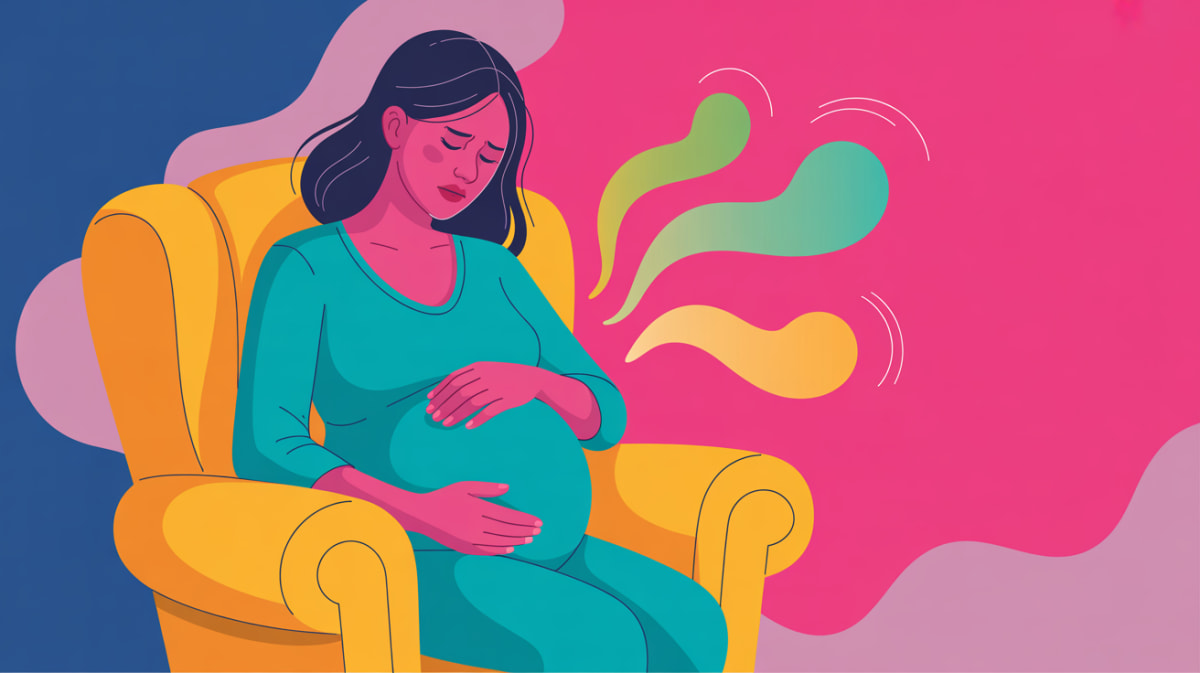
Nausea is a frequent experience during pregnancy and is usually not something to worry about. It often results from hormonal changes, shifts in digestion, or the physical adjustments your body makes to support your baby.
While generally harmless, nausea can be uncomfortable. If your symptoms are severe, do not improve, or worsen, consult your healthcare provider.
Is it normal to have Nausea while pregnant?
Nausea is very common during pregnancy, especially in the first trimester as your body adjusts to new hormones. Mild or occasional nausea is usually nothing to worry about, but if you’re unable to keep food down or feel very unwell, it’s best to check with your doctor.
Nausea during different trimesters in pregnancy
| Trimester | What to Expect | Possible Causes |
|---|---|---|
| 1st Trimester | Nausea is very common and often strongest in early pregnancy, sometimes lasting all day. | Rising hormone levels, Sensitive stomach, Prenatal vitamins, Stress |
| 2nd Trimester | Nausea usually eases but can persist, especially with certain smells or foods. | Slower digestion, Iron supplements, Strong odors, Emotional stress |
| 3rd Trimester | Nausea is uncommon but may return due to the baby’s growth and body changes. | Pressure on stomach, Late pregnancy hormones, Fatigue, Anxiety about labor |
What causes Nausea during pregnancy?
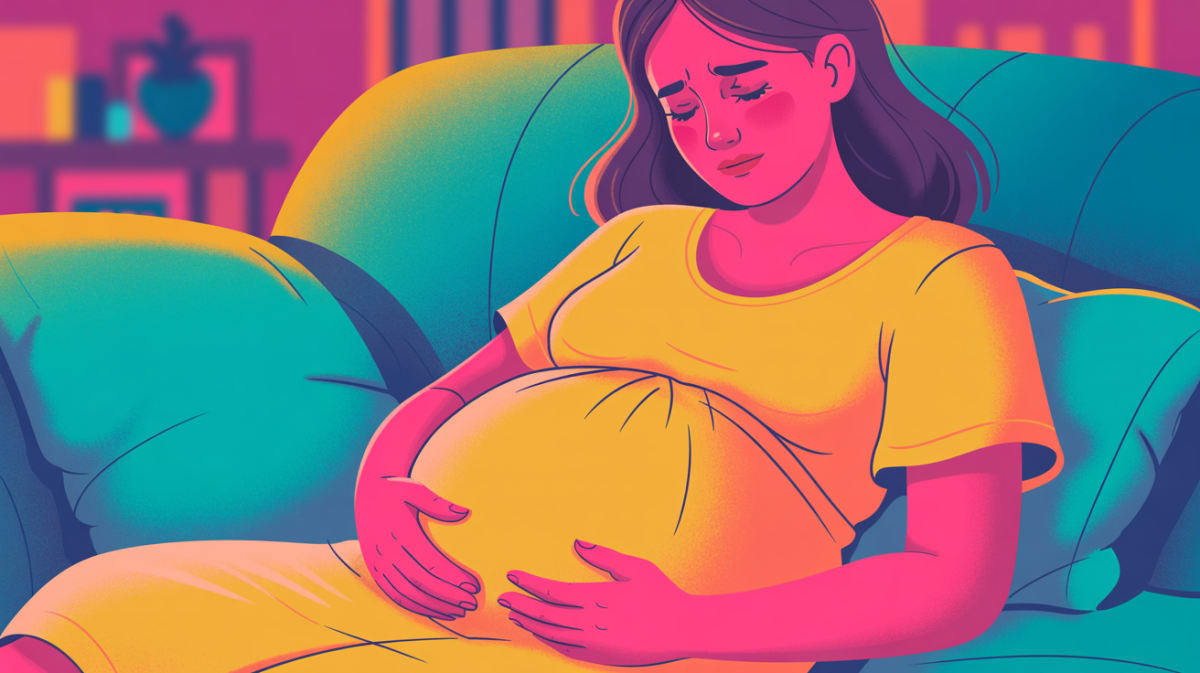
There are several reasons why you might experience Nausea while pregnant. Some are directly related to pregnancy, while others can happen anytime – pregnant or not.
Common pregnancy-related causes:
- Hormonal changes – Rising hCG and estrogen levels
- Prenatal vitamins – Iron content irritates stomach
- Diet changes – New foods or eating patterns
- Growing uterus – Pressure on digestive tract
Other possible causes:
- Food intolerance – Heightened sensitivity during pregnancy
- Mild infections – Viral or gastrointestinal bugs
- Medications – Side effects of some drugs
- Stress or anxiety – Alters stomach motility
Remedies for Nausea during pregnancy
There are some things you can do to feel better faster and stay safe:
Natural remedies at home
- Eat small, frequent meals – Prevents empty stomach, reduces nausea
- Ginger tea or candies – Natural anti-nausea properties
- Stay hydrated – Sip water or clear fluids often
- Avoid strong odors – Triggers nausea, keep air fresh
- Rest and elevate head – Reduces symptoms while lying down
Medication (talk to your doctor first)
- Vitamin B6 supplements – Doctor-approved for morning sickness
- Avoid ondansetron unless prescribed – Not first-line, doctor must approve
- Consult your provider – Ask about safe anti-nausea medications
Important: Always talk to your doctor before taking any medicine during pregnancy.
Take care of you (and baby, too)
Pregnancy can come with some unexpected symptoms – but you don’t have to manage them alone.
From soothing teas to tummy-friendly snacks, Bump Boxes delivers safe, mom-approved products tailored to your trimester. Each monthly box is curated to help you feel better, stay nourished, and enjoy the journey.
💝 Explore Bump Boxes and treat yourself to a healthier, more comfortable pregnancy.
FAQs
1. When should you be concerned about nausea?
You should be concerned about nausea during pregnancy if it is severe, persistent, or accompanied by dehydration, weight loss, inability to keep fluids down, or dark urine. These may indicate hyperemesis gravidarum or another underlying issue, and it is important to contact your healthcare provider for proper evaluation and treatment.
2. Is nausea harmful to the baby?
Mild to moderate nausea during pregnancy is generally not harmful to the baby and is a common symptom. In fact, some studies suggest that nausea may be a sign of a healthy pregnancy. However, severe or prolonged nausea should be discussed with your doctor to ensure the baby’s well-being.
3. What can I take for nausea during pregnancy?
For nausea relief during pregnancy, try vitamin B6 supplements, ginger, or acupressure wristbands after consulting your doctor. Prescription medications like doxylamine-pyridoxine may also be recommended for severe symptoms. Always consult your healthcare provider before taking any medication or supplement while pregnant to ensure safety for you and your baby.
4. When is nausea worse in pregnancy?
Nausea is often worse during the first trimester, particularly in the mornings, giving rise to the term “morning sickness.” However, it can occur at any time of day and may worsen with fatigue, stress, or an empty stomach. Symptoms typically improve as pregnancy progresses into the second trimester.
5. How long will I have nausea during pregnancy?
Nausea during pregnancy usually begins around week 6 and often subsides by the end of the first trimester, around weeks 12 to 14. However, some women may experience nausea into the second trimester or beyond. Duration varies, so consult your doctor if symptoms persist or worsen.
6. What foods help with nausea during pregnancy?
Foods that help with nausea during pregnancy include bland, easy-to-digest options like crackers, dry toast, bananas, rice, applesauce, and clear broths. Eating small, frequent meals and avoiding spicy, greasy, or strong-smelling foods can also reduce symptoms. Ginger tea or candies may provide additional natural relief for nausea.
Medical Disclaimer: This website contains general information about conception, pregnancy, pregnancy products and parenting. The information is not complete or comprehensive. You should not rely on the information on this website as an alternative to medical advice from your doctor or healthcare provider. Nothing contained on this web site should be construed nor is intended to be used for medical diagnosis or treatment. It should not be used in place of the advice of your physician or other qualified healthcare provider. Should you have any healthcare related questions, please call or see your physician or other qualified healthcare provider promptly. Read More- (Link to full disclaimer)