












Varicose Veins During Pregnancy: Causes and Remedies
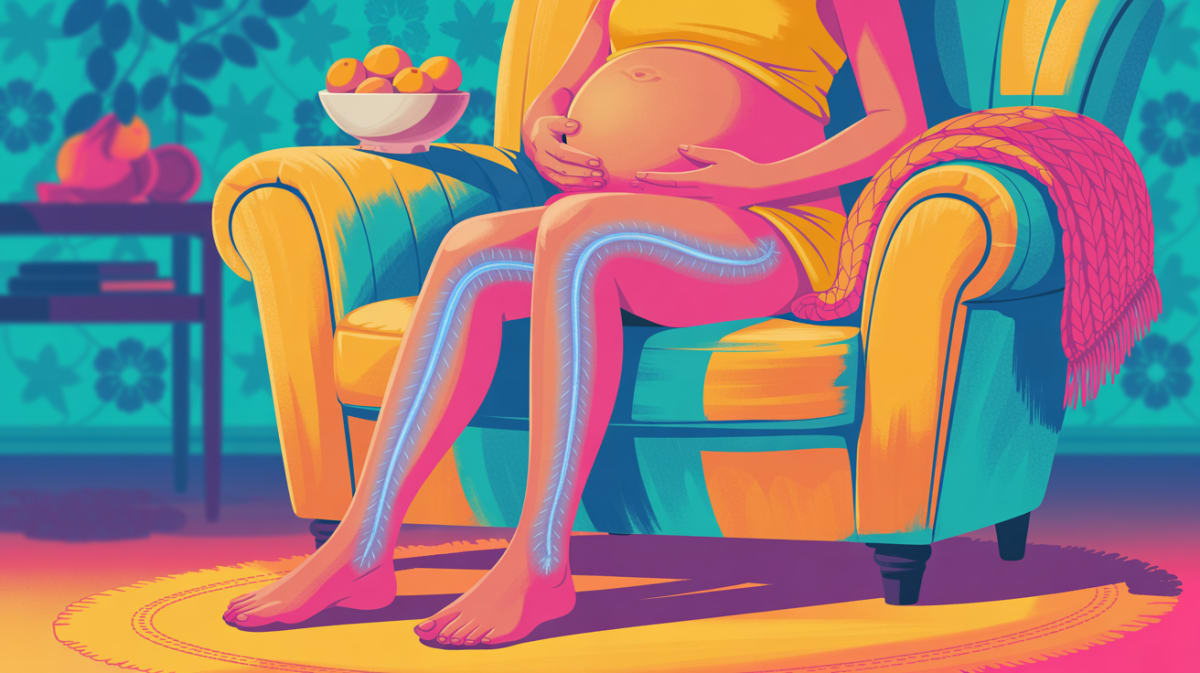
Varicose veins are a common experience during pregnancy and are usually not a cause for alarm. They can lead to discomfort or swelling and often result from hormonal changes, increased blood volume, or added pressure on leg veins.
If symptoms become severe, persistent, or worsen, consult your doctor for guidance.
Is it normal to have Varicose Veins while pregnant?
Varicose veins are quite common during pregnancy, especially as you move into your second and third trimesters. Most cases are mild and nothing to worry about, but if you notice severe pain, swelling, or skin changes, it’s a good idea to check in with your doctor.
Varicose Veins during different trimesters in pregnancy
| Trimester | What to Expect | Possible Causes |
|---|---|---|
| 1st Trimester | Varicose veins are usually uncommon early on, but mild swelling or visible veins may start to appear. | Hormonal changes, Increased blood flow, Genetic predisposition, Early fluid retention |
| 2nd Trimester | Veins may become more noticeable and uncomfortable as blood volume increases and the uterus grows. | Uterine pressure, Rising blood volume, Hormonal shifts, Reduced physical activity |
| 3rd Trimester | Veins may become more swollen and painful, especially in the legs, due to increased pressure and weight. | Greater uterine pressure, Prolonged standing, Weight gain, Slower blood circulation |
What causes Varicose Veins during pregnancy?
There are several reasons why you might experience Varicose Veins while pregnant. Some are directly related to pregnancy, while others can happen anytime – pregnant or not.

Common pregnancy-related causes:
- Hormonal changes – Progesterone relaxes vein walls
- Increased blood volume – Veins handle more circulating blood
- Growing uterus – Compresses pelvic veins and IVC
- Weight gain – Increases pressure on leg veins
Other possible causes:
- Family history – Genetic predisposition to weak veins
- Prolonged standing – Worsens blood pooling in legs
- Physical inactivity – Reduces muscle pump action
- Previous vein issues – Pre-existing varicosities worsen
Remedies for Varicose Veins during pregnancy
There are some things you can do to feel better faster and stay safe:
Natural remedies at home
- Elevate your legs – Improves blood flow, reduces swelling
- Wear compression stockings – Supports veins, prevents pooling
- Exercise regularly – Walking or swimming boosts circulation
- Avoid standing long periods – Minimizes vein pressure
- Sleep on your left side – Reduces pressure on veins
Medication (talk to your doctor first)
- Use doctor-approved creams – Some topical treatments may help
- Avoid aspirin or NSAIDs – Not safe in pregnancy
- Consult your doctor before medication – Only take prescribed treatments
Important: Always talk to your doctor before taking any medicine during pregnancy.
Take care of you (and baby, too)
Pregnancy can come with some unexpected symptoms – but you don’t have to manage them alone.
From soothing teas to tummy-friendly snacks, Bump Boxes delivers safe, mom-approved products tailored to your trimester. Each monthly box is curated to help you feel better, stay nourished, and enjoy the journey.
💝 Explore Bump Boxes and treat yourself to a healthier, more comfortable pregnancy.
FAQs
1. When should you be concerned about varicose veins?
You should be concerned about varicose veins during pregnancy if you experience severe pain, swelling, redness, warmth, or ulcers around the veins. These symptoms can indicate complications like blood clots or infections. Consult your doctor immediately if you notice any of these warning signs for proper diagnosis and treatment.
2. Is varicose veins harmful to the baby?
Varicose veins during pregnancy are generally not harmful to the baby. They mainly affect the mother’s legs and cause discomfort or swelling. While they may be unsightly or painful for the mother, varicose veins do not pose a risk to the unborn baby’s health or development.
3. What can I take for varicose veins during pregnancy?
For varicose veins during pregnancy, focus on non-medication relief such as compression stockings, leg elevation, and regular exercise. Always consult your healthcare provider before taking any medications or supplements. Over-the-counter pain relievers and topical ointments may be recommended by your doctor for symptom relief if necessary.
4. When is varicose veins worse in pregnancy?
Varicose veins are often worse in the later stages of pregnancy, especially during the third trimester. Increased blood volume, hormonal changes, and added pressure from the growing uterus on leg veins all contribute to worsening symptoms. Prolonged standing or sitting can also make varicose veins more uncomfortable during this time.
5. How long will I have varicose veins during pregnancy?
Varicose veins that develop during pregnancy often improve or disappear within a few months after delivery as hormone levels normalize and pressure on veins decreases. However, in some cases, they may persist or become less noticeable over time. Regular exercise and leg elevation can support faster recovery postpartum.
6. What foods help with varicose veins during pregnancy?
Foods rich in fiber, vitamin C, and antioxidants can help manage varicose veins during pregnancy. Include fruits, leafy greens, whole grains, and foods high in bioflavonoids like berries and citrus. These nutrients support healthy blood circulation and vein strength, reducing constipation and pressure on leg veins.
Medical Disclaimer: This website contains general information about conception, pregnancy, pregnancy products and parenting. The information is not complete or comprehensive. You should not rely on the information on this website as an alternative to medical advice from your doctor or healthcare provider. Nothing contained on this web site should be construed nor is intended to be used for medical diagnosis or treatment. It should not be used in place of the advice of your physician or other qualified healthcare provider. Should you have any healthcare related questions, please call or see your physician or other qualified healthcare provider promptly. Read More- (Link to full disclaimer)